

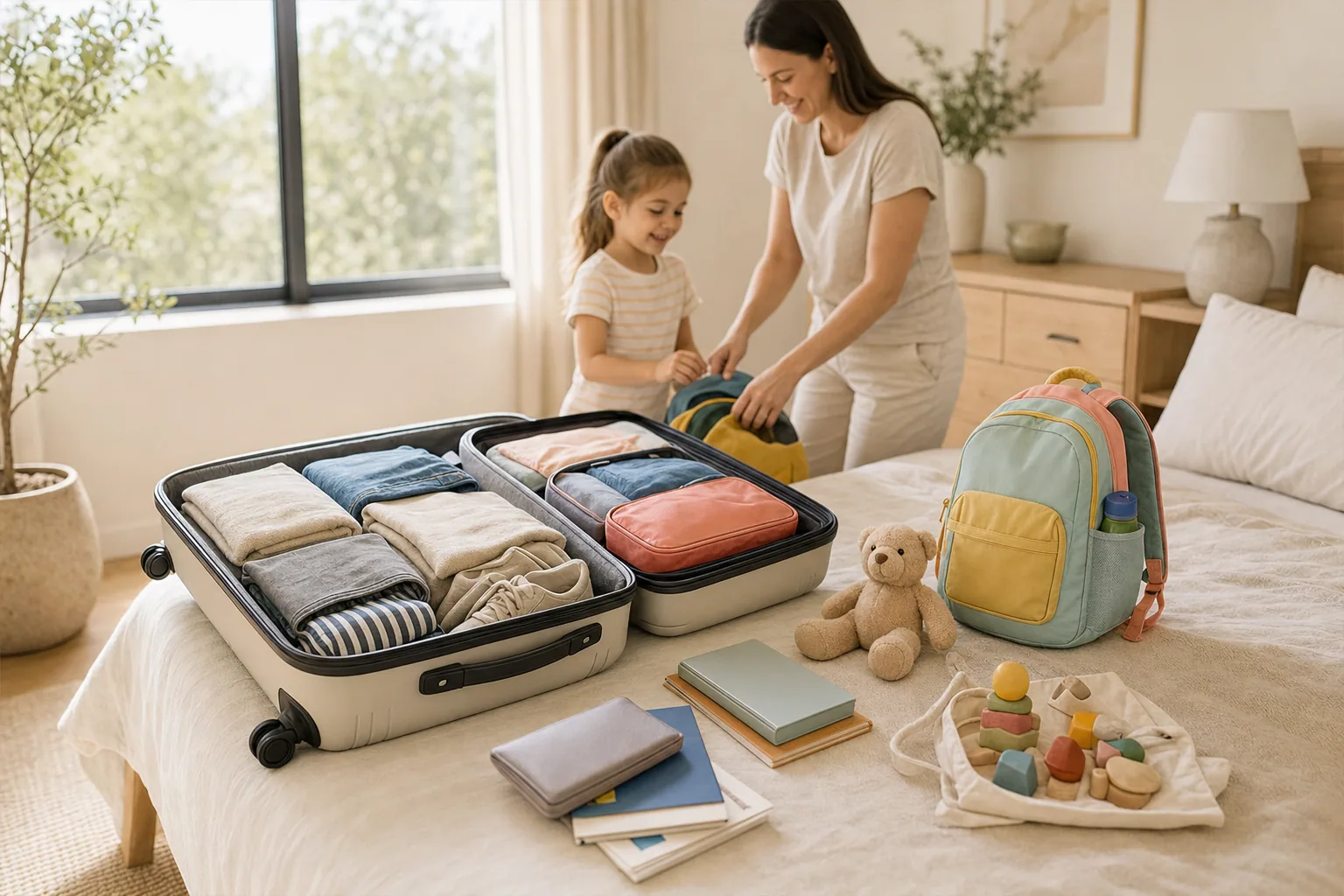
Packing for a family vacation can feel like solving a puzzle with no clear picture. You have different sizes, different needs, and the nagging worry that you'll forget something crucial. The good news is that with a solid travel packing tips strategy, you can eliminate the chaos and actually enjoy the preparation phase.
Start with a Family Packing List
Before throwing anything into a suitcase, sit down and build a comprehensive family packing list tailored to your destination and trip length. This simple step saves hours of stress and prevents forgotten essentials.
Break your list into categories:
- Clothing for each family member (weather-appropriate)
- Toiletries and medications
- Documents and travel essentials
- Entertainment and comfort items for kids
- Shoes and outerwear
- Accessories (hats, sunglasses, belts)
Create a master document you can reuse and customize for future trips. Keep it digital so you can share it with your travel partner or refer to it while packing. The better you plan ahead, the less you'll scramble at the last minute.
Involve Your Kids in the Process
Children are more likely to be happy travelers when they feel ownership over the process. Let them help create their own travel packing list and choose which toys or books to bring. This accomplishes two things: it teaches them what they actually need versus what they simply want, and it gives them a sense of control during the transition to vacation.
For younger kids, use picture labels or let them tick off items as they pack. For older children, give them a weight or space limit and let them decide what fits. This approach turns packing into a game rather than a chore, and kids often surprise you with their practical choices.
Organize with Packing Cubes and Bags
Packing cubes and compartmented bags are game-changers for family travel. They compress clothing, maximize space, and make it easy to find what you need without unpacking your entire suitcase at the hotel.
Assign each family member a color or set of cubes. Put socks and undergarments in one, shirts in another, pants in a third. For kids' items, consider organizing by day or activity type rather than by clothing category. This is especially helpful for younger children who can more easily grab outfit sets rather than mix and match.
Don't forget smaller pouches for:
- Medications and first-aid supplies
- Hair care and skincare products
- Electronics and chargers
- Snacks and treats
These pouches keep items organized and prevent spills in your luggage.
Pack Strategically for Different Ages
A vacation packing checklist looks different depending on whether you're traveling with infants, toddlers, school-age kids, or teenagers.
For babies and toddlers, prioritize diapers, wipes, formula, and comfort items like a familiar blanket or stuffed animal. Pack more clothing than you think you'll need because spills and accidents are inevitable. A lightweight baby stroller makes navigating airports and destinations far easier.
For school-age children, focus on practical, mix-and-match clothing. Pack a few extra layers since airplane cabins and hotel rooms vary in temperature. Include activities like books, travel games, or tablets preloaded with movies for downtime.
For teenagers, ask them what they absolutely need and respect their preferences within reason. Many teens care about how they look, so letting them have input on clothing choices prevents frustration later.
Don't Overpack Clothing
This is the biggest mistake families make. You do not need to pack a different outfit for every single day. Most vacations allow laundry access, and even if yours doesn't, choosing neutral colors and simple styles means pieces can be worn multiple times.
A solid rule: pack 80 percent of what you think you need. Bring versatile pieces that mix and match. Jeans, simple tops, and neutral cardigans work across multiple outfits. For kids, consider the activities planned and pack accordingly. A beach trip calls for swimsuits and light clothes; a city trip might need more layers and walking shoes.
Remember that most destinations have shops if you genuinely forget something. It's easier to buy a pair of socks than to lug extra weight through airports.
Prepare Snacks and Entertainment
Hungry kids are unhappy kids, especially during travel days. Pack a selection of non-perishable snacks that your children actually enjoy. Mix healthier options like nuts and dried fruit with treats they love. This keeps energy levels stable and reduces meltdowns during airports, car rides, or delays.
For entertainment, balance screens with other options. Bring coloring books, travel journals, card games, or small toys alongside tablets preloaded with shows or movies. Rotating new items throughout the trip keeps boredom at bay.
Keep Documents and Essentials Separate
Passports, travel insurance, boarding passes, and reservations should be in one dedicated, easily accessible spot. A travel organizer wallet or folder keeps these critical items separate from checked luggage.
Pack medications in original bottles with clear labels, and keep them with you during travel rather than in checked bags. Include copies of important documents in a separate location as a backup.
For international travel with kids, verify that all family members have valid identification and know where documents are stored.
Use Your Carry-On Wisely
Your carry-on bag should contain everything you need if your checked luggage gets delayed. For families with kids, this means including a change of clothes for each child, medications, entertainment, and comfort items like a favorite toy or blanket.
Pack heavier items at the bottom and lighter items on top. Keep items you'll need during the flight easily accessible. A small backpack or wheeled travel bag works well as a carry-on and doubles as storage when you're at your destination.
Make Packing a Habit
As you gain experience, you'll refine your personal family packing list. Keep notes on what you used and what you didn't. Some items might be essentials for every trip, while others sit unused.
Start packing a few days before departure rather than the night before. This prevents rushed decisions and gives you time to wash and dry anything you forgot about. Set reminders on your phone for specific tasks like gathering medications or charging electronics.
With a solid plan and these practical strategies, family vacation packing becomes far less stressful. You'll spend less time worrying about logistics and more time enjoying time away together.