

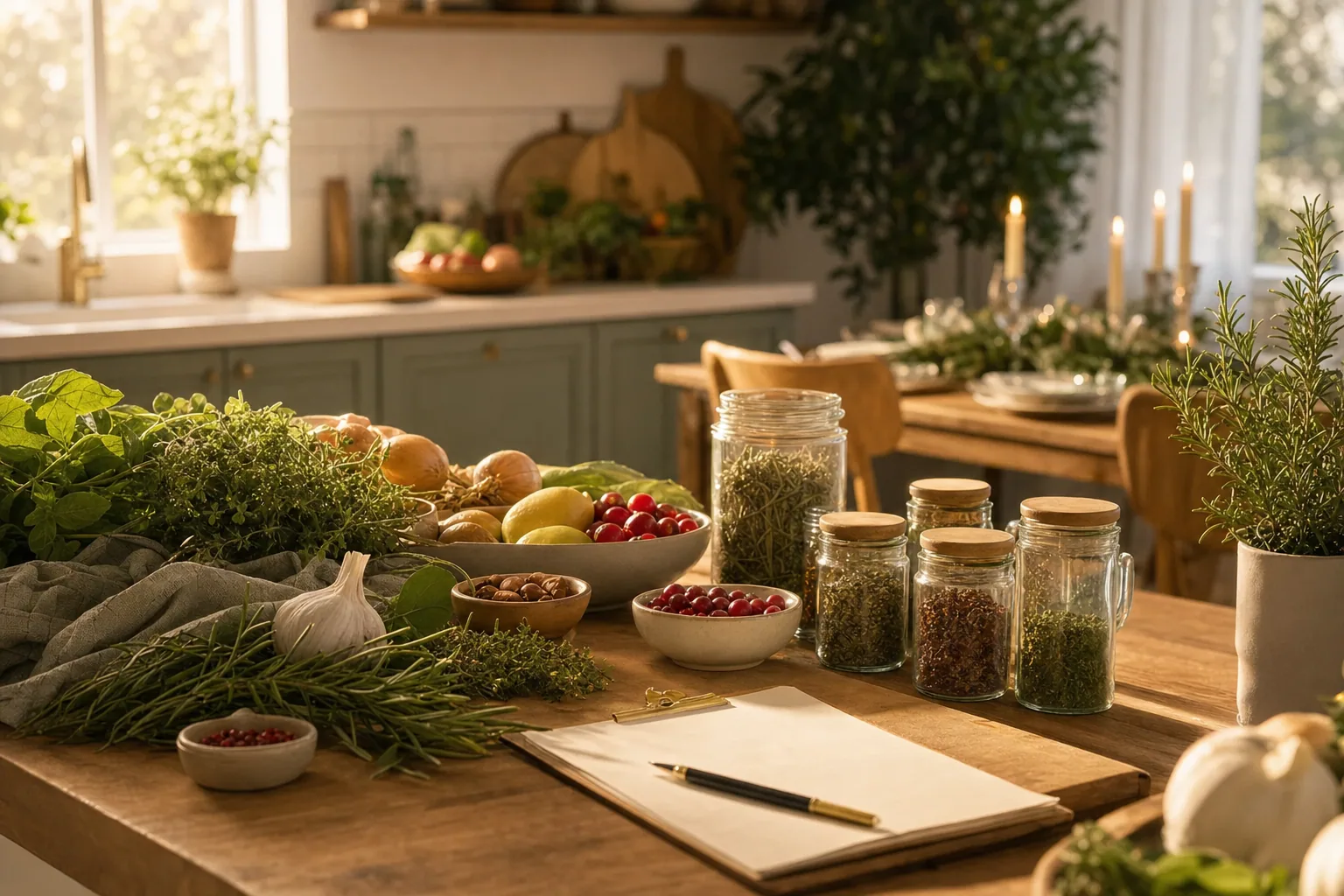
The holidays bring joy, family, and food. They also bring stress. Between shopping lists, cooking timelines, and hungry guests, holiday meal planning can feel overwhelming. But it doesn't have to be this way. With the right approach, you can create memorable meals without the last-minute panic.
The key to stress-free holiday entertaining lies in planning ahead. When you break down the process into manageable steps, you regain control of your kitchen and your holiday spirit. Let's walk through how to do it.
Start with Your Holiday Menu Planning Early
The foundation of stress-free holiday entertaining is a solid menu plan. Don't wait until a few days before the event to decide what you're cooking. Ideally, choose your menu at least two weeks in advance.
Begin by asking yourself these questions:
- How many guests are you expecting?
- Do you have any dietary restrictions or preferences to accommodate?
- What dishes do you actually enjoy making?
- Which recipes can be prepared ahead of time?
Choosing recipes you've made before removes the guesswork. If you want to try something new, pick just one or two unfamiliar dishes, not your entire menu. Balance is essential. Include at least one make-ahead component like a sauce, broth, or dessert that can be prepared days in advance.
Write everything down. A written holiday menu keeps you accountable and gives you something to reference while shopping and cooking.
Create a Strategic Shopping List
Once your menu is locked in, building your shopping list becomes straightforward. Organize it by store section: produce, dairy, meat, pantry items. This simple structure makes shopping faster and helps you avoid forgotten ingredients.
Buy non-perishable items and pantry staples up to two weeks ahead. Fresh produce and proteins should be purchased three to five days before the meal. This timing prevents spoilage while keeping ingredients fresh.
Check your pantry and refrigerator before shopping. You probably already have olive oil, salt, spices, and other basics. Cross-check these against your recipes to avoid buying duplicates.
Map Out Your Cooking Timeline
Holiday cooking tips often overlook the importance of a timeline. This is where many home cooks get stuck. Without a clear schedule, tasks pile up on the day of the event.
Work backward from your serving time. If dinner is at 6 p.m., when does each dish need to start cooking? Account for oven space, cooling time, and resting periods.
Your timeline might look like this:
- Three days before: Make dessert and store it
- Two days before: Prepare stocks, sauces, or marinated proteins
- One day before: Chop vegetables, set the table, arrange serving dishes
- Morning of: Prepare sides that don't require last-minute cooking
- Two hours before: Start proteins and dishes needing oven time
- Thirty minutes before: Final garnishes and plating
Write this timeline on a printed sheet and post it in your kitchen. Refer to it throughout the day. This removes the mental load of remembering what comes next.
Set Up Your Kitchen for Success
Physical organization directly impacts cooking stress. Before guests arrive, arrange your kitchen to support efficient cooking.
Group ingredients by dish. If you're making three sides, keep the components for each side together on your counter or in clear containers. Measure out dry ingredients in advance and label them. Wash and chop vegetables the day before, storing them in separate containers.
Clear counter space for active cooking. Move decorative items temporarily. You need room to move, and clutter creates stress. Set up a staging area for dirty dishes so you're not constantly hunting for space.
Ensure all your cooking tools are accessible. Pull out measuring cups, mixing bowls, and cutting boards before you begin. If you need reliable cookware, quality stainless steel pans make a real difference in consistent results.
Build in Buffer Time and Rest Periods
One of the most overlooked holiday cooking tips is allowing buffer time between tasks. If your timeline says to start the main dish at 4 p.m., actually start at 3:45 p.m. These fifteen minutes give you wiggle room if something takes longer than expected.
Also plan rest periods into your schedule. After preparing vegetables, take a ten-minute break. After the appetizer course, sit down. These small pauses prevent burnout and let you enjoy time with guests instead of remaining glued to the stove.
Protein needs resting time after cooking. A roasted turkey, prime rib, or large fish should rest for at least fifteen to thirty minutes before carving. This downtime is built-in breathing room for you as well.
Keep Portions and Variety Realistic
Holiday meal planning goes wrong when people try to serve ten different dishes. Guests are impressed by quality, not quantity. Choose five to seven carefully planned dishes rather than twelve mediocre ones.
If you're hosting twenty people, one vegetable side is not enough, but four different vegetable dishes is excessive. Aim for balance: a protein, two or three sides, bread, a salad, and one dessert. This keeps your holiday menu manageable while still feeling abundant.
Consider what actually gets eaten. Does anyone really want three different casseroles? Probably not. Choose the best version of each category and commit to it.
Delegate and Ask for Help
You don't have to do everything yourself. Before the holiday, send guests a casual message asking if they'd like to bring a side dish or dessert. Most people appreciate the invitation to contribute.
On the day of the event, assign simple tasks to family members or guests who arrive early. Someone can set the table while you finish cooking. Another person can arrange the cheese board. Small delegations lift enormous weight off your shoulders.
If you have young helpers, give them age-appropriate tasks. Older kids can set the table or arrange desserts. Younger children can help wash vegetables or stir non-hot pots under supervision.
The Day Before: Final Preparations
The day before your holiday event is crucial. This is when you do as much as possible without compromising food quality.
Cook any components that reheat well. Make salad dressings, cook vegetables slightly underdone so they can finish in the oven, bake desserts, and prepare anything that tastes better or the same after sitting overnight.
Set the table completely. Fold napkins, place cards, glasses, and silverware all go down the day before. This eliminates a huge task on the actual day and prevents last-minute scrambling.
Check your serving dishes are clean and available. Warming platters in a low oven before serving keeps food at the right temperature and looks impressive. Small touches like this take minutes to arrange but add polish to your presentation.
Embrace Simplicity Over Perfection
Holiday entertaining doesn't require everything to be flawless. Your guests are there for family, warmth, and connection, not to critique your plating.
If something burns slightly, nobody cares. If a sauce breaks, you can fix it or serve something else. If you run late, appetizers and conversation buy you time. Holiday meal planning is fundamentally about creating an experience, not proving you're the world's best cook.
Choose recipes and approaches that align with your skill level and available time. A simple roasted chicken with one excellent side dish beats an ambitious menu you're stressed about the entire day.
With a written menu, a clear timeline, organized shopping, and realistic expectations, holiday entertaining becomes something you actually enjoy. You'll have time to greet guests warmly, sit at the table, and be fully present. That's the real gift of holiday meal planning done right.