

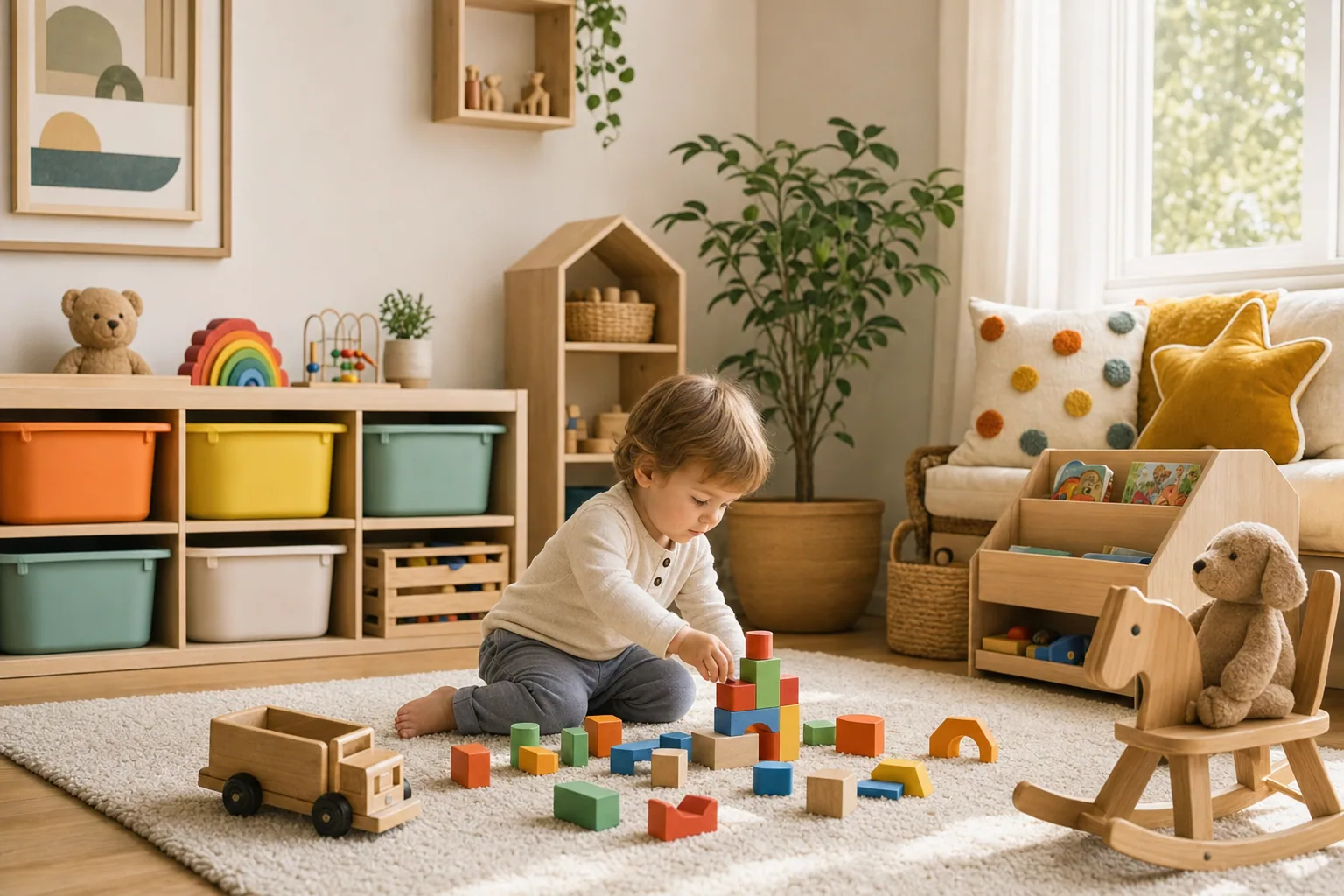
Toy chaos is a reality for most parents. Blocks end up under the couch, action figures scatter across the floor, and finding that one missing puzzle piece becomes an archaeological expedition. A good toy organization system transforms this daily frustration into a manageable routine, making cleanup faster and playtime more enjoyable. The key is building a system that works with your family's lifestyle, not against it.
Start with an Honest Inventory
Before you buy a single storage container, take stock of what you actually have. Pull everything out and sort toys into categories: building sets, action figures, dolls, vehicles, puzzles, balls, art supplies, and anything else unique to your collection. Be ruthless. Broken toys, missing pieces, and items your child has outgrown should go. Donating or discarding these items reduces clutter significantly and makes your remaining toys easier to manage.
Once you know what stays, count the approximate number of items in each category. This determines how much storage space you truly need and what types of containers work best. A small collection of toy cars requires different storage than hundreds of building blocks.
Choose the Right Storage Containers
Not all storage solutions are created equal. Clear plastic bins work well for items you want visible at a glance, while opaque containers work better if you prefer a cleaner aesthetic. Fabric-lined baskets are softer for play areas and easier for small hands to manage. Open shelving keeps toys accessible but requires tidier organization to look intentional.
Consider these options:
- Clear plastic bins with snap lids: durable, stackable, and easy to see contents
- Fabric bins and baskets: soft, portable, and visually appealing
- Wall-mounted shelves: maximize vertical space in small rooms
- Rolling carts: provide mobility for toys used in different rooms
- Labeled cubbies: define specific zones for each toy category
The best containers are ones your children can actually use. If containers are too heavy, too tall, or too difficult to open, kids won't put toys away. Lightweight bins with easy handles encourage independent cleanup.
Create a Zone-Based System
Dividing your space into toy zones makes organization intuitive for both kids and adults. Designate areas for different activities: a building zone for blocks and construction sets, a creative zone for art supplies and craft materials, a dress-up corner for pretend play, and a quiet zone for puzzles and books.
Zones don't require much space. Even in a shared bedroom, you can use one corner for toys, another for sleeping, and another for getting dressed. Clear boundaries help children understand where toys belong and make cleanup a simple matter of returning items to their designated zone.
Keep frequently used toys in the most accessible zones. Seasonal toys, special occasions sets, or items your child has outgrown can live on higher shelves or in the back of a closet.
Use Clear Labeling
Labeling transforms a storage system from something that only makes sense to you into something your entire family can maintain. Use words and pictures for younger children who cannot read yet. Label containers with what goes inside: "Blocks," "Vehicles," "Dolls," and so on.
Consistency matters more than perfect aesthetics. Whether you use printed labels, handwritten tags, or color-coded bins, choose one method and stick with it. Kids are more likely to put toys away correctly when they know exactly where they belong.
Establish a Rotation System
Rotation keeps playtime fresh while reducing the number of toys visible at any given time. Store some toys out of sight and swap them with current toys every few weeks. This prevents overwhelm, makes cleanup faster, and makes old toys feel new when they reappear.
For families with multiple children or limited storage space, rotation is especially valuable. Instead of trying to store everything at once, you maintain a smaller active collection that fits your space comfortably.
Make Cleanup Part of the Daily Routine
Organization systems only work when they are maintained consistently. Build cleanup into your daily routine, not as a punishment but as a normal part of having a playroom. Set a timer for ten minutes before dinner or bedtime and make cleanup a game: "Can we beat the clock?"
Make it easy by keeping containers open or easily accessible. Containers with lids that snap on tight might be secure, but they make quick cleanup frustrating. Open baskets, rolling bins, and wire shelves encourage kids to put things away fast.
Praise effort and progress. A perfectly organized room is less important than teaching your child responsibility and building a habit of caring for their belongings.
Adapt as Your Child Grows
Toy organization systems are not set in stone. As your child grows, their interests and toy collections change. A system that worked beautifully for a three-year-old with small toys might need adjustment when that child is eight and builds complex construction sets. Revisit your system every year or two, removing toys they have outgrown and adjusting storage to fit new interests.
Involve your child in updates to the system. Kids are more invested in maintaining organization they helped design. Ask them what categories make sense, where they think toys should go, and what would make cleanup easier.
Keep It Sustainable
The goal of toy organization is not perfection. It is creating a system that feels manageable within your daily life. When shopping for storage solutions, buy what fits your space and your budget. Mrs. Mattie offers a range of organizing solutions and storage products that work for different spaces and styles, so you can find what fits your home and your approach.
A calm home starts with systems that actually work. When toys have a place, cleanup becomes faster, playtime becomes more enjoyable, and your space feels intentional rather than chaotic. Start small, adjust as you learn what works, and focus on progress rather than perfection.