

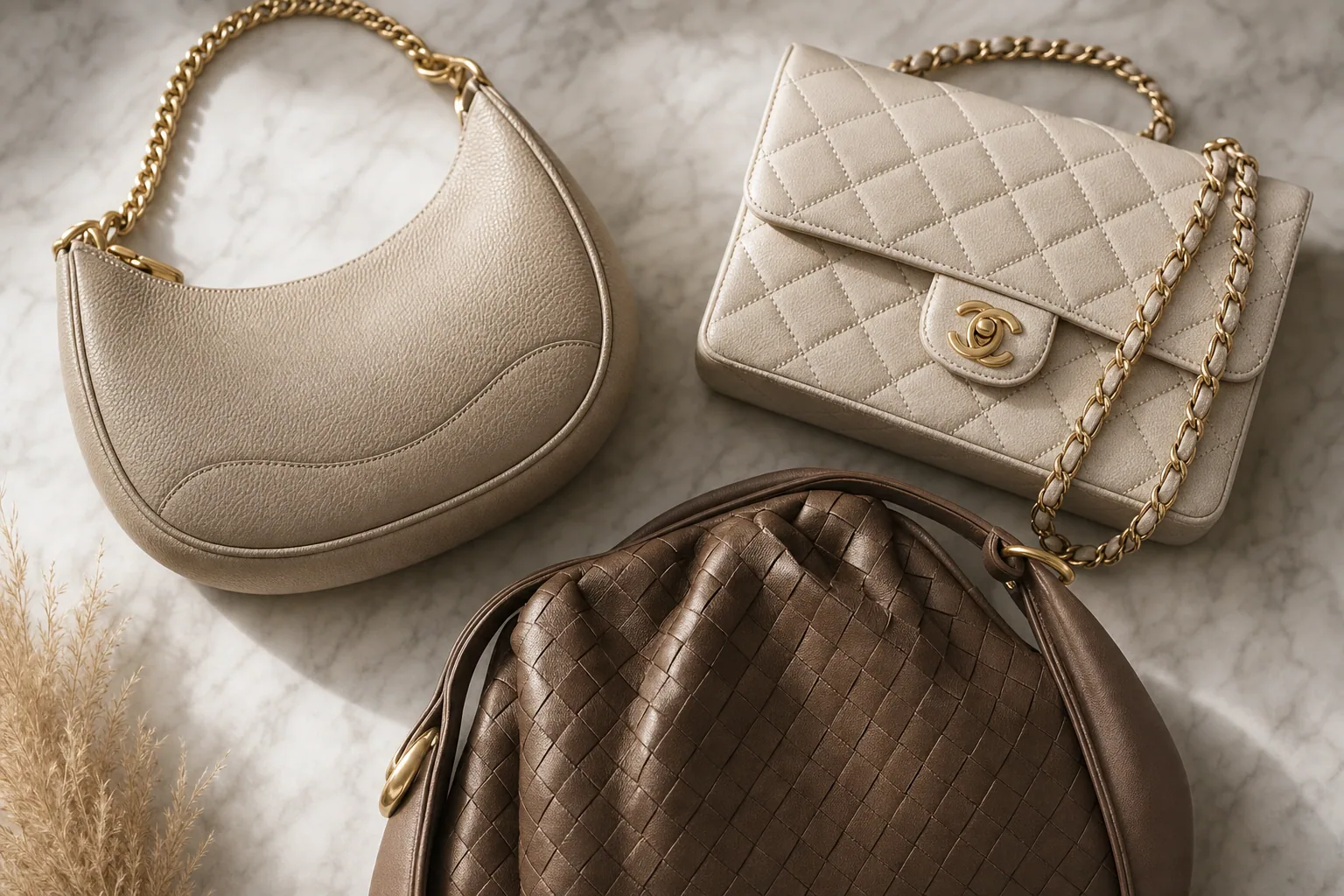
How to Choose Designer Handbags That Last
Buying a designer handbag is not just about the price tag or the logo. It's about finding a piece that works with your life, holds up over years of use, and genuinely makes you feel good when you carry it. With so many luxury options available, knowing what separates a handbag that lasts from one that disappoints is the real skill.
Whether you're investing in your first luxury piece or adding to an established collection, this guide walks you through the key factors that make certain designer handbags worth the investment.
Assess the Material Quality
The material you choose directly impacts how long your handbag will last and how it will age. Top-tier designer handbags rely on premium materials because they both look better and perform better over time.
Leather is the gold standard. Full-grain leather develops a natural patina as you use it, meaning your bag actually improves with age. Top-grain leather is also durable and less expensive than full-grain. Avoid bonded leather or plastic-based materials marketed as leather, as these break down quickly and cannot be repaired.
Other quality materials include:
- Canvas with leather trim for structured durability
- Suede for a luxurious feel, though it requires more care
- Nubuck, a velvety finish that holds up well with proper maintenance
- High-quality synthetic blends when they're made by reputable designers
Run your hand over the material. It should feel substantial and consistent. Cheap materials feel thin, plasticky, or uneven. If a designer handbag feels lightweight and flimsy, that's a red flag, no matter how prestigious the brand name.
Examine the Construction and Stitching
How a handbag is made matters as much as what it's made from. Inspect the seams, corners, and areas where handles attach to the body. Quality construction means:
- Stitching that is even, tight, and follows a straight line
- No loose threads or gaps between stitches
- Reinforced stress points, especially where straps attach
- Hand-stitching or precision machine work, not sloppy glue jobs
- Proper binding along edges rather than raw or fraying edges
The lining is also telling. Premium handbags have durable linings in coordinating or contrasting fabrics. Flimsy or thin linings tear easily and make the bag feel cheap from the inside out. Check for interior pockets and organizational features, as these add functionality and longevity.
When you pick up a designer handbag, weight it in your hands. Quality construction feels solid. The bag should not shift or flex in unexpected ways, and handles should be firmly attached.
Check the Hardware and Closure
Hardware like clasps, zippers, and chain straps take daily wear. Look for solid metal hardware, not cheap plating that flakes off after a few months.
Zippers are crucial. Premium zippers from brands like YKK or Riri glide smoothly and last for years. Cheap zippers stick, jam, and eventually fail. Test a zipper before you commit, and pay attention to how it feels.
Classps and locks should click shut with confidence. They should not feel loose or wobbly. Chain straps should be reinforced where they attach to the bag body, and the links should be even and well-finished.
Gold-toned hardware that actually feels warm and weighty is typically real or high-quality plated metal. Silver-toned hardware should have a lustrous finish. If hardware looks thin, flimsy, or feels cold and cheap, it will not hold up.
Consider the Design for Longevity
Trends fade, but classic design endures. When choosing a designer handbag, think about how it will look in five years, not just how it looks this season.
Timeless silhouettes include:
- Structured totes with clean lines
- Shoulder bags in neutral colors
- Crossbody bags for everyday versatility
- Top-handle bags that work in professional and casual settings
Neutral colors like black, tan, brown, and navy are more versatile than bold hues or animal prints. That said, a quality designer handbag in a color you love will make you happier long-term than something you picked because it seemed safe.
The key is avoiding bags that feel gimmicky. Novelty shapes, excessive embellishments, and trend-driven details may feel fun now but can feel dated within a year. Quality designer handbags balance style with restraint.
Know the Brand and Reputation
Not all designer handbags are created equal, even at the luxury tier. Research the brand's history, craftsmanship standards, and customer reviews. Established luxury houses invest in quality because their reputation depends on it.
Look for brands with transparent information about where and how their handbags are made. Handcrafted pieces or those made in established ateliers typically outlast mass-produced luxury items.
Read reviews from people who have owned the bag for years, not just months. Real-world durability matters more than marketing promises. Check whether the brand offers repair services, as this is a sign of confidence in their product and a way to extend your bag's life even further.
Evaluate Practicality for Your Life
The most beautiful designer handbag is useless if it does not fit your lifestyle. A formal evening clutch is not practical if you carry a laptop every day. A tiny crossbody bag does not work if you need room for a wallet, phone, keys, and more.
Think honestly about how you will use the bag. Interior space, number of compartments, strap length, and weight all matter. A designer handbag should be functional enough that you actually reach for it regularly, not something that sits in a closet.
Your lifestyle can support multiple handbags, but start with one that solves a real need. A well-made everyday bag gets worn enough to justify its cost, while a specialty bag might stay perpetually unused.
Budget for Long-Term Value
Quality designer handbags are expensive, but the cost per wear often justifies the investment. A $2,000 handbag worn daily for five years costs less per wear than a $200 bag worn once a month that falls apart after two years.
Budget not just for the initial purchase but for maintenance. Quality leather needs occasional conditioning. Zippers may need repair. Clasps might loosen. These are minor expenses if the bag is well-made, and they are far less costly than replacing the entire bag.
Many people find that starting with one excellent designer handbag serves them better than buying multiple lower-quality pieces. That one bag becomes reliable, familiar, and genuinely worth the investment.
Choosing a designer handbag that lasts is about looking past the logo and focusing on materials, construction, design, and how the bag fits into your actual life. When you take time to evaluate these factors, you end up with a piece that works hard, ages gracefully, and genuinely earns its place in your collection. The result is not just a handbag, it's a tool that makes daily life easier and more intentional.