

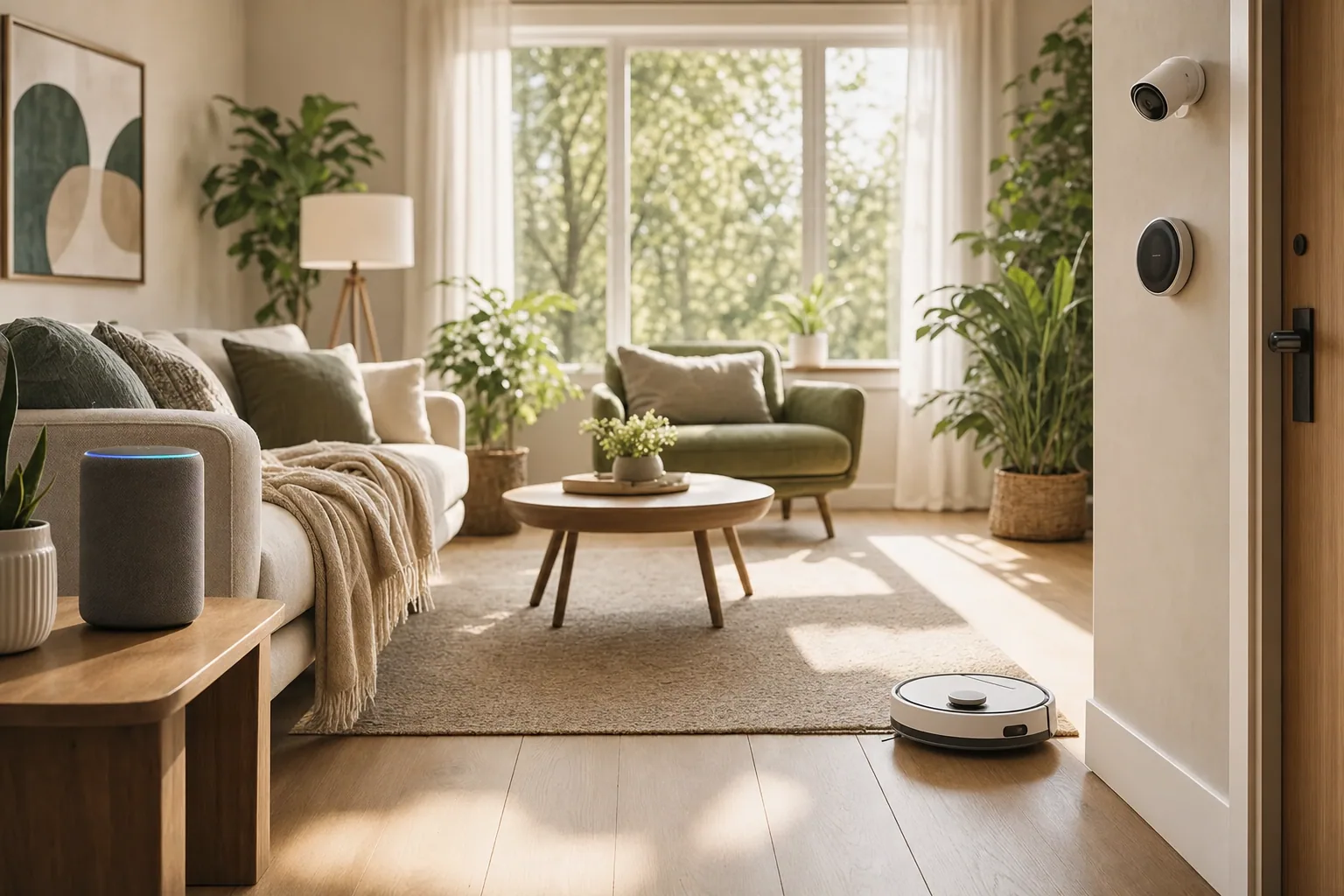
Getting Started With Smart Home Devices
Adding smart home gadgets to your living space doesn't have to be overwhelming. If you're just beginning to explore connected home technology, the key is starting simple and choosing devices that solve real problems in your daily routine. The best smart home devices for beginners are ones that work reliably out of the box, don't require complex setup, and deliver immediate value.
Most people assume smart home technology is expensive or complicated. The reality is that affordable smart home technology has become surprisingly accessible. You don't need to overhaul your entire home at once. Instead, pick one or two devices that address your biggest pain points, learn how they work, then expand from there.
Why Start Small and Build Gradually
The smartest approach to adopting smart home gadgets is to resist the urge to buy everything at once. When you choose just one or two devices initially, you avoid decision fatigue and give yourself time to understand how connected home ecosystems actually work.
Starting with beginner-friendly smart home devices also lets you:
- Learn the basics without overwhelming yourself
- Test your WiFi network's strength in supporting connected devices
- Discover which automations actually improve your life versus which ones feel gimmicky
- Build confidence before investing in more expensive equipment
- Avoid wasting money on features you'll never use
Many beginners make the mistake of buying a full suite of gadgets only to realize their home WiFi can't handle the load, or that certain automations don't match their actual lifestyle. Taking a measured approach prevents that frustration.
Smart Speakers and Voice Control
A smart speaker is often the ideal entry point for smart home beginners. These compact devices connect to your WiFi and serve as a central hub for controlling other smart gadgets using voice commands. Beyond controlling lights or thermostats, they play music, answer questions, manage shopping lists, and set reminders.
The appeal is simplicity. You don't need to pull out your phone or navigate a menu. Just say what you want, and the speaker responds. This is especially helpful for people who are skeptical about smart home technology. Once you experience how convenient voice control can be, adding other devices feels like a natural next step.
When choosing a smart speaker, consider the size of your space. A speaker for a small bedroom or kitchen is different from one needed to reach throughout an open living area. Also think about sound quality if you'll use it for music.
Home Security Cameras and Monitoring
Security is one of the most popular reasons people invest in smart home gadgets. A basic security camera lets you check in on your home from anywhere, monitor package deliveries, and keep an eye on entry points.
For beginners, look for cameras that offer:
- Easy installation (most mount on walls or sit on shelves)
- Clear 1080p or 2K video quality
- Night vision for dark conditions
- Mobile app access so you can view footage anytime
- Cloud storage or local backup options
- Two-way audio to communicate through the camera
You don't need a full professional security system to get started. A single camera positioned at your front door or in a main room covers most people's basic security needs. As you grow comfortable with the technology, you can add additional cameras in other areas.
Smart Cleaning and Pet Care Devices
If you have pets or simply want to spend less time on household chores, smart cleaning and pet care gadgets deliver noticeable improvements to daily life.
Robot vacuums are among the most popular smart home devices for beginners because they require minimal setup and deliver obvious results. Just place the unit on your floor, press start, and it navigates your space automatically. You can schedule cleaning sessions to run while you're at work or set them to activate via app when you're away from home.
For pet owners, smart feeders and water fountains take the guesswork out of pet care. These devices dispense food or water automatically at scheduled times, which is especially useful if you have irregular work schedules or travel frequently. Some smart feeders even include cameras so you can see your pet eating and ensure they're staying healthy.
Climate Control and Environmental Sensors
Controlling your home's temperature through smart thermostats is one of the most practical uses of smart home technology. A programmable thermostat learns your preferences over time and adjusts heating or cooling automatically. This means you come home to a comfortable space without manually adjusting settings, and you save money on energy bills.
Beyond thermostats, environmental sensors monitor humidity, air quality, and temperature throughout your home. Some people pair these with smart air purifiers or humidifiers to maintain healthier indoor air. These devices are especially valuable if anyone in your household has allergies or respiratory concerns.
The benefit of starting here is that smart climate control pays for itself through energy savings within a year or two, making it one of the most practical smart home investments.
Choosing the Right Platform
Before buying smart home devices for beginners, check which voice assistant and platform they support. The major options are Amazon Alexa, Google Assistant, and Apple Siri. Most smart devices work with at least one of these platforms, but compatibility varies.
Pick a platform based on what you already own. If you have an iPhone, starting with Apple's ecosystem might make sense. If you use Android or already own an Alexa speaker, focus on devices compatible with that system. Mixing platforms is possible but adds complexity.
The good news is that manufacturers have recognized the demand from beginners seeking affordable smart home technology, so you'll find quality options across all major platforms at various price points.
Making Your First Smart Purchase
When you're ready to buy, prioritize devices that solve an immediate problem in your daily routine. A security camera makes sense if you worry about package theft. A robot vacuum appeals if you spend too much time cleaning. A smart speaker works well if you want hands-free control.
Also check return policies. Reputable retailers understand that smart home adoption is new for many people, so they typically allow returns if a device doesn't meet your expectations.
Start with one device, use it consistently for at least two weeks, then evaluate whether it genuinely improved your life. If it did, add a second gadget that complements the first. This methodical approach ensures you build a smart home ecosystem that actually serves your needs rather than collecting expensive devices that gather dust.
The smart home market continues to expand with new affordable smart home technology arriving regularly. By starting with beginner-friendly options and building gradually, you'll develop a home that works better for you without the complexity or expense of trying to do everything at once.