

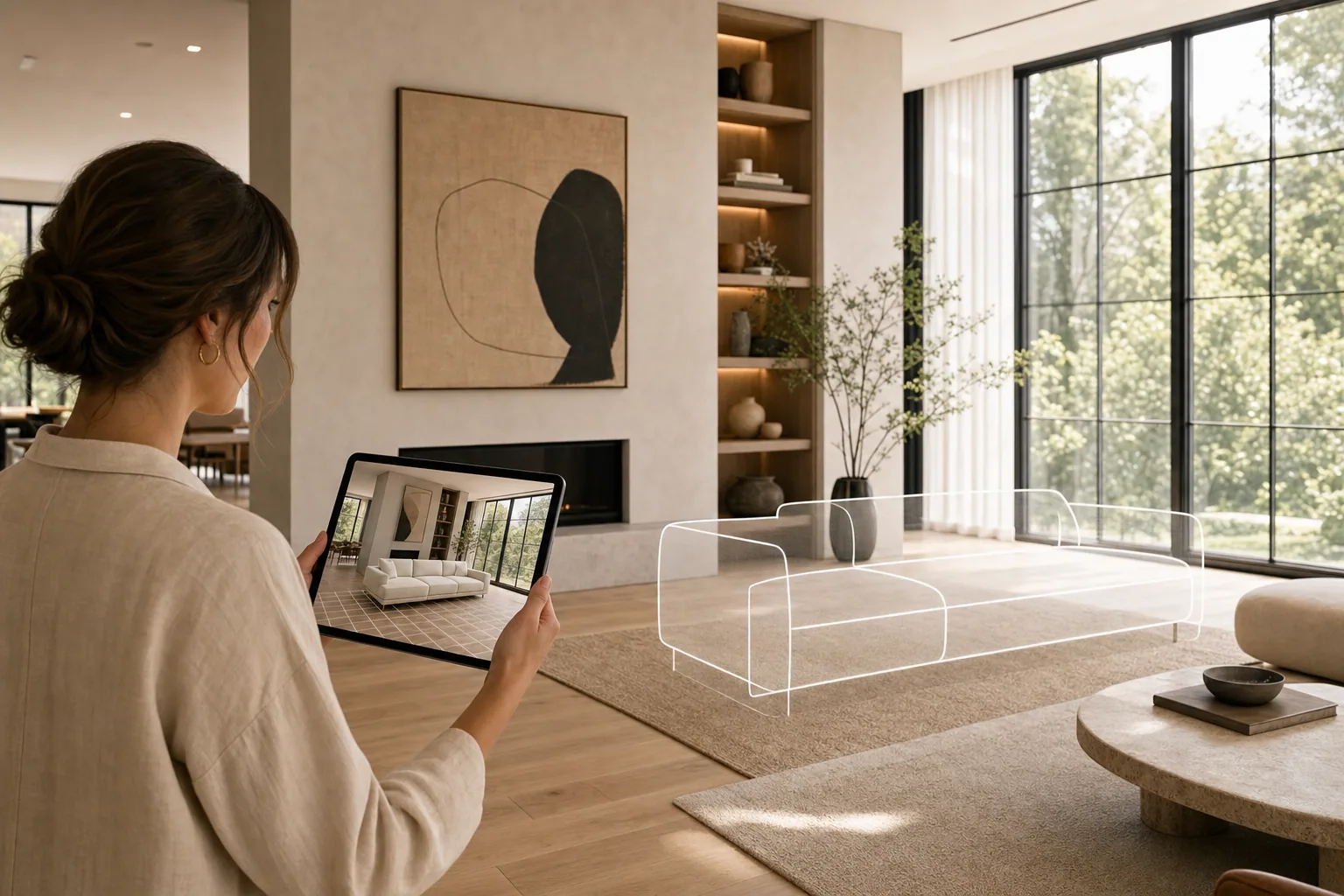
Designing a room used to mean spending hours sketching floor plans, measuring spaces, and second-guessing furniture placement. Today, AI interior design tools let you visualize entire room transformations in minutes. Whether you're rearranging a small bedroom or redesigning a living room from scratch, artificial intelligence can handle the heavy lifting of spatial planning and suggest layouts you might never have considered.
What AI Interior Design Really Does
AI tools for home design aren't about replacing your taste or vision. Instead, they speed up the decision-making process by understanding how furniture relates to space, light, and function. These systems analyze room dimensions, natural light sources, traffic flow, and the pieces you already own or want to add. Then they generate multiple layout options that balance aesthetics with practicality.
When you input a room's measurements and tell the tool what you're working with, it processes that data against thousands of successful room designs. The result is a personalized set of suggestions tailored to your specific space, not generic advice that assumes every room is the same.
How AI Furniture Layout Planning Works
AI furniture layout tools break down spatial design into logical steps. First, you photograph or measure your room and identify fixed elements like windows, doors, and outlets. Next, you list the furniture and decor pieces you have or plan to buy. The AI then considers traffic patterns, sight lines, and balance to propose arrangements.
The best part is the speed. What used to require multiple visits to a designer or endless trial and error now happens instantly. You get several options to explore, each with reasoning behind it. Some layouts might prioritize conversation and gathering, while others emphasize an open, airy feel. You choose what resonates with your lifestyle.
Key Features to Look For
- Real-time visualization of layouts from different angles
- Suggestions for scale and proportion of furniture pieces
- Integration with your existing decor style or mood board
- Ability to test multiple arrangements before committing to purchases
- Mobile access so you can make changes on the fly
The Practical Benefits for Busy Homeowners
If you're juggling work, family, and a home that needs attention, spending weekends redesigning a room sounds exhausting. AI home design tools collapse this timeline. You don't need to hire a professional designer, though the suggestions can certainly guide professional work if you decide to go that route.
For renters, AI layout tools are especially valuable. You can experiment with dozens of configurations without making permanent changes. When you move to a new place, you can instantly apply your preferred style to a completely different space. Mrs. Mattie's collection of AI-assisted interior planning resources helps you think through these choices with structured guides and actionable checklists.
For homeowners considering luxury furniture additions, AI tools let you preview high-end pieces in your actual space. You can see whether that modern Nordic TV stand or a statement leather chair will work before making a significant investment.
Combining AI Suggestions with Your Personal Style
AI generates suggestions based on design principles and data, but it can't feel the way a room makes you happy. The most effective approach blends AI efficiency with human intuition. Use the tool to generate ideas, then apply your own filter. Does a suggested layout match how you actually live? Will it support the activities that matter most in that room?
Consider creating a mood board alongside your AI planning. Collect images of colors, textures, and styling that appeal to you. Feed these into design tools to see how they influence layout recommendations. This bridges the gap between algorithmic suggestion and personal preference.
Building a Balanced Room Layout
Balanced furniture placement has nothing to do with symmetry. Instead, it's about visual weight and distribution. A large sofa on one side of a room needs counterbalance, which might come from a credenza, bookshelf, or console table on the other side. AI tools understand these relationships and can show you how different pieces create harmony.
Several factors shape a successful layout:
- Traffic flow: Pathways between rooms and around furniture stay clear
- Focal points: The room draws the eye somewhere intentional, like a fireplace or window view
- Functional zones: Areas dedicated to specific activities are distinct but connected
- Scale: Furniture size relates appropriately to the room's dimensions
- Light: Furniture placement doesn't block natural light or optimal lamp positioning
AI interior design tools factor all of these into their recommendations, saving you the mental overhead of juggling every variable at once.
Taking the Next Step
Starting with AI home design tools is straightforward. Measure your room, photograph it from multiple angles, and list what you're working with. Even rough measurements give AI enough information to generate useful suggestions. Refine from there as your vision becomes clearer.
If you want structured guidance beyond the AI tool itself, Mrs. Mattie offers a Practical AI Toolkit for Interior Planning that walks you through the process with worksheets, prompts, and expert frameworks. This approach combines technology with thoughtful decision-making, so you end up with a room that feels both intentional and effortless.
The goal isn't perfection. It's creating a home that works for how you actually live, planned with intelligence and executed with confidence. AI tools make that achievable faster than ever before.