

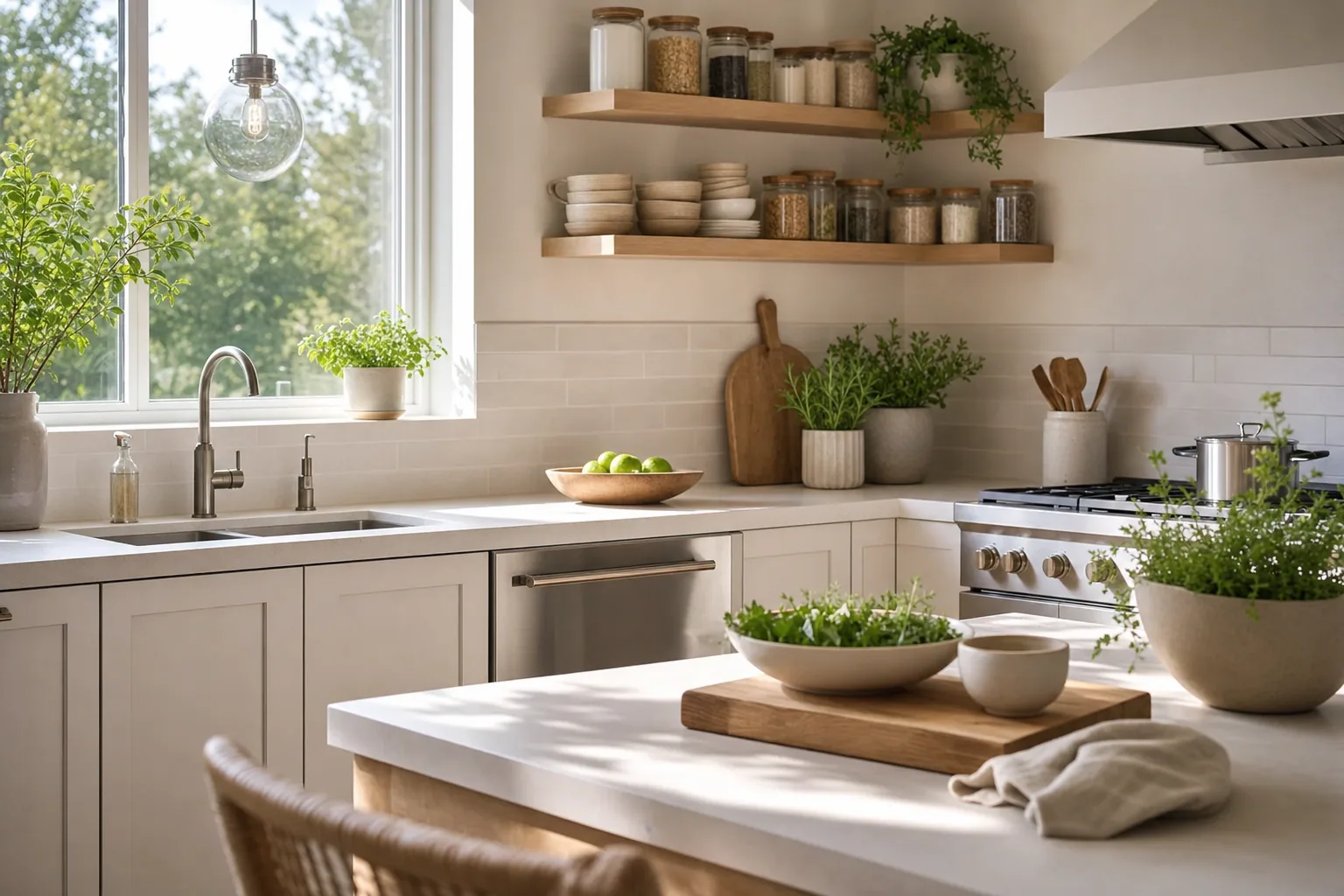
A disorganized kitchen does more than just look messy. It slows down meal prep, makes grocery shopping harder, and adds low-level stress to your mornings before the day even starts. The good news is that getting a kitchen under control does not require a full renovation or a weekend of frustration. A few targeted changes make a noticeable difference fast.
These ten tips are practical, easy to start, and built to last.
Start With a Full Clear-Out
Before you organize anything, pull everything out of your cabinets and drawers. Yes, everything. This step feels dramatic, but it is the only way to see what you actually own versus what you have been storing out of habit.
As you go through items, sort them into three groups:
- Keep: Things you use at least once a month
- Donate or sell: Items in good condition that no longer fit your cooking habits
- Toss: Broken tools, expired pantry goods, and duplicates you do not need
Most kitchens hold far more than they should. Getting honest about what earns space in your kitchen is the foundation for everything else.
Zone Your Kitchen by Task
One of the most effective organization strategies is grouping items by how you use them, not by category. This is called zoning, and it turns your kitchen into a tool that works with you.
Think about the natural flow of your cooking routine and create dedicated zones:
- Prep zone: Cutting boards, knives, peelers, and mixing bowls near your main counter space
- Cooking zone: Pots, pans, and cooking utensils within arm's reach of the stove
- Coffee and breakfast zone: Your coffee maker, mugs, and toaster grouped together
- Baking zone: Measuring cups, baking sheets, and mixers in one cabinet or drawer
- Storage zone: Food wraps, bags, and containers near the fridge or pantry
When everything lives where you actually use it, the mental load of cooking drops significantly.
Use Vertical Space Wisely
Counter space is prime real estate in most kitchens. One of the fastest ways to free up more of it is to stop thinking horizontally and start looking up.
Wall-mounted racks, pegboards, and floating shelves can hold spices, cutting boards, and frequently used tools without taking up a single inch of counter. Inside cabinet doors are also underused. A few adhesive hooks or a slim over-door rack can hold measuring spoons, foil rolls, or cleaning supplies.
If your kitchen lacks built-in pantry space, a tall freestanding pantry cabinet is worth considering. A piece like a farmhouse-style pantry cabinet with adjustable shelving gives you flexible, dedicated storage for dry goods and kitchen extras that would otherwise crowd your cabinets.
Tackle the Dreaded Junk Drawer
Almost every kitchen has one. The drawer that collects batteries, rubber bands, takeout menus, and mystery keys. Left alone, it becomes a black hole.
The fix is not to eliminate the drawer entirely. It is to give every category inside it a defined spot. Small bins, divided trays, and labeled pouches turn chaos into a system that anyone in the household can follow. Spend fifteen minutes sorting, and then commit to putting things back where they belong every time.
Standardize Your Food Storage
Mismatched containers are a silent clutter problem. They stack poorly, lids go missing, and cabinets become impossible to navigate. Switching to a consistent set of food storage containers changes the game.
Look for containers that are stackable, clear so you can see what is inside, and sized to fit your fridge shelves. Labeling the lids with masking tape and a marker takes thirty seconds per container and saves you from mystery leftovers two weeks later.
The same logic applies to your pantry. Decanting dry goods like pasta, rice, and cereal into matching containers saves space, keeps food fresher, and makes your shelves look intentional rather than chaotic.
Add a Rolling Kitchen Island or Cart
If your kitchen does not have enough counter space or storage, a rolling kitchen island cart solves both problems at once. It adds prep surface, extra drawers, and storage without any installation.
A well-chosen cart, like a 47-inch kitchen island with drawers and a rolling cabinet design, can serve as a prep station, a breakfast bar, or additional pantry space depending on how your kitchen is laid out. When you do not need it in one spot, roll it out of the way.
Organize Drawers With Dividers
Unorganized drawers are one of the biggest time wasters in the kitchen. You open a drawer looking for a spatula and spend forty-five seconds digging through a pile of tools to find it.
Drawer dividers or inserts fix this instantly. Use them to separate:
- Flatware and serving utensils
- Cooking tools by size or function
- Baking tools
- Dish towels and pot holders
If you do not want to buy dedicated dividers, small boxes or even folded cardboard work as a starting point while you figure out what sizing works best for your drawers.
Label Everything
Labeling feels like extra work until you live with it for a week. Once every bin, jar, basket, and drawer has a label, everyone in the household knows where things belong. That alone reduces the daily drift that undoes organization efforts.
You do not need a label maker. A roll of masking tape and a permanent marker is enough to get started. If you want something cleaner, chalkboard labels or printed adhesive labels add a polished look.
Set a Weekly Reset Routine
Organization is not a one-time project. It is an ongoing habit. The most organized kitchens stay that way because their owners do a small reset on a consistent schedule, usually once a week.
A kitchen reset takes ten to fifteen minutes and covers:
- Wiping down surfaces and appliances
- Checking the pantry and fridge for items that need to be used soon
- Putting any items that drifted back to their assigned spots
- Restocking consumables like paper towels, dish soap, and storage bags
Pairing this reset with something you already do, like listening to a podcast or tidying up after Sunday dinner, makes it easier to stick with.
Use Digital Resources to Plan Smarter
Sometimes the hardest part of kitchen organization is not the physical work. It is figuring out the right system for your specific space. This is where downloadable guides, checklists, and eBooks can genuinely help.
Mrs. Mattie carries digital bundles designed specifically for this kind of planning, including the Kitchen Organization and Flow Bundle, which includes guides, eBooks, and checklists to help you make your kitchen more functional from the ground up. Instead of guessing what system will work, you get a clear framework to follow.
Pairing good information with the right physical products makes the whole process feel less overwhelming and a lot more satisfying.
Small Changes, Big Difference
A well-organized kitchen does not happen overnight, but it also does not require starting over from scratch. Pick two or three of these tips and start there. Once those changes become habit, add the next ones. Within a few weeks, your kitchen will feel calmer, more efficient, and genuinely easier to cook in every day.
If you are ready to find the tools and resources to make it happen, Mrs. Mattie has a curated selection of home organization products and digital guides to help you get there faster.